⚡ Quick Summary
| Service Type | Best For | Key Aircraft |
|---|---|---|
| Helicopters | Offshore platforms & remote mine sites | Sikorsky S-92, AgustaWestland AW189 |
| Fixed-Wing Charter | Personnel movement & light cargo | Turboprops, Midsize Jets |
| Heavy-Lift Cargo | Drilling rigs & oversized equipment | Antonov AN-124, Ilyushin IL-76, B737 Freighters |
Commodity, mining, and oil companies need three main types of aviation. Helicopters handle offshore platforms and remote mine sites. Fixed-wing charter planes move workers and lighter cargo. Heavy-lift aircraft like the Antonov AN-124 and Ilyushin IL-76 transport drilling rigs and oversized equipment.
The best providers have global reach, strong safety records, and years of actual experience in resource industries. Major players include Bristow Group and CHC Helicopter for offshore work, Volga-Dnepr for heavy cargo, and specialized brokers who connect you with the right operator for your specific needs.
Pick based on three things: Where you operate, What you need to move, and How fast you need it done.
Running a mine far from the nearest paved road creates a problem. Same thing with an oil platform sitting in the ocean. You need to move people and equipment to places regular airlines won't touch.
That's where specialized aviation comes in. These aren't normal airlines. They land on dirt strips. They fly to platforms in bad weather. They carry equipment that weighs more than most cars.
If you're trying to figure out which providers work for commodity operations, here's what matters.

What Aviation Support Do Commodity and Resource Companies Need?
Resource companies have different problems than regular businesses.
Moving people to remote sites happens every day. Mines and drilling operations sit far from anywhere. Workers need rides in and out. Miss one crew change and production stops.
Helicopter support keeps offshore oil platforms running. Boats are slow and weather dependent. Helicopters get people there faster and fly in conditions that stop smaller planes.
Heavy cargo moves the big stuff. Drilling rigs. Excavator parts. Processing equipment. Normal freight companies can't handle most of it.
Emergency response saves money when things break. Downtime costs thousands per hour. Emergency charters get critical parts there in hours instead of days or weeks.
Charter beats scheduled flights for most operations. Production schedules change. Weather delays things. You need aircraft when you need them, not when some schedule says they fly.
Types of Aviation Services Used by Commodity, Mining & Oil Companies
Fixed-Wing Charter
Charter planes fill the gap between commercial airlines and owning your own fleet.
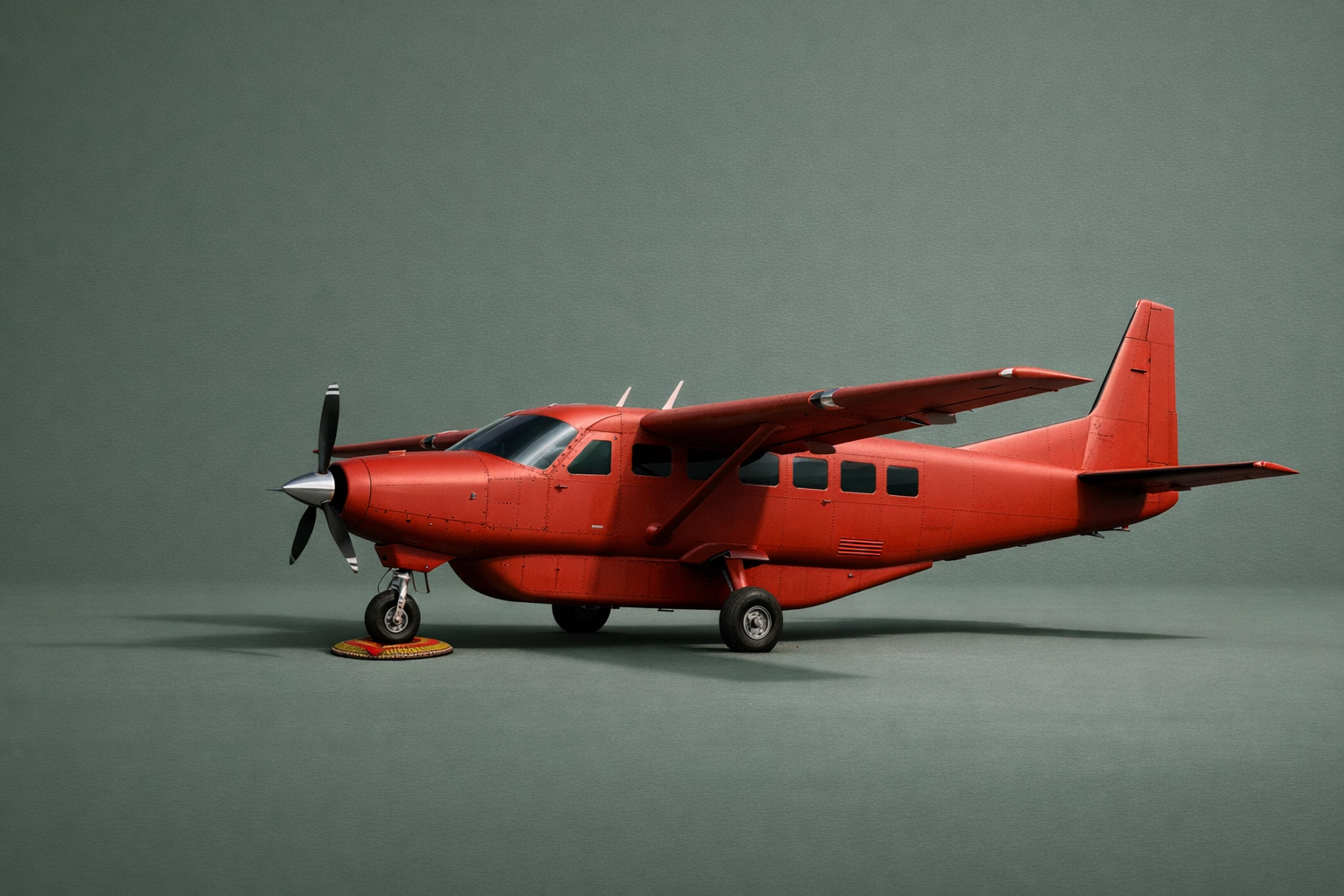
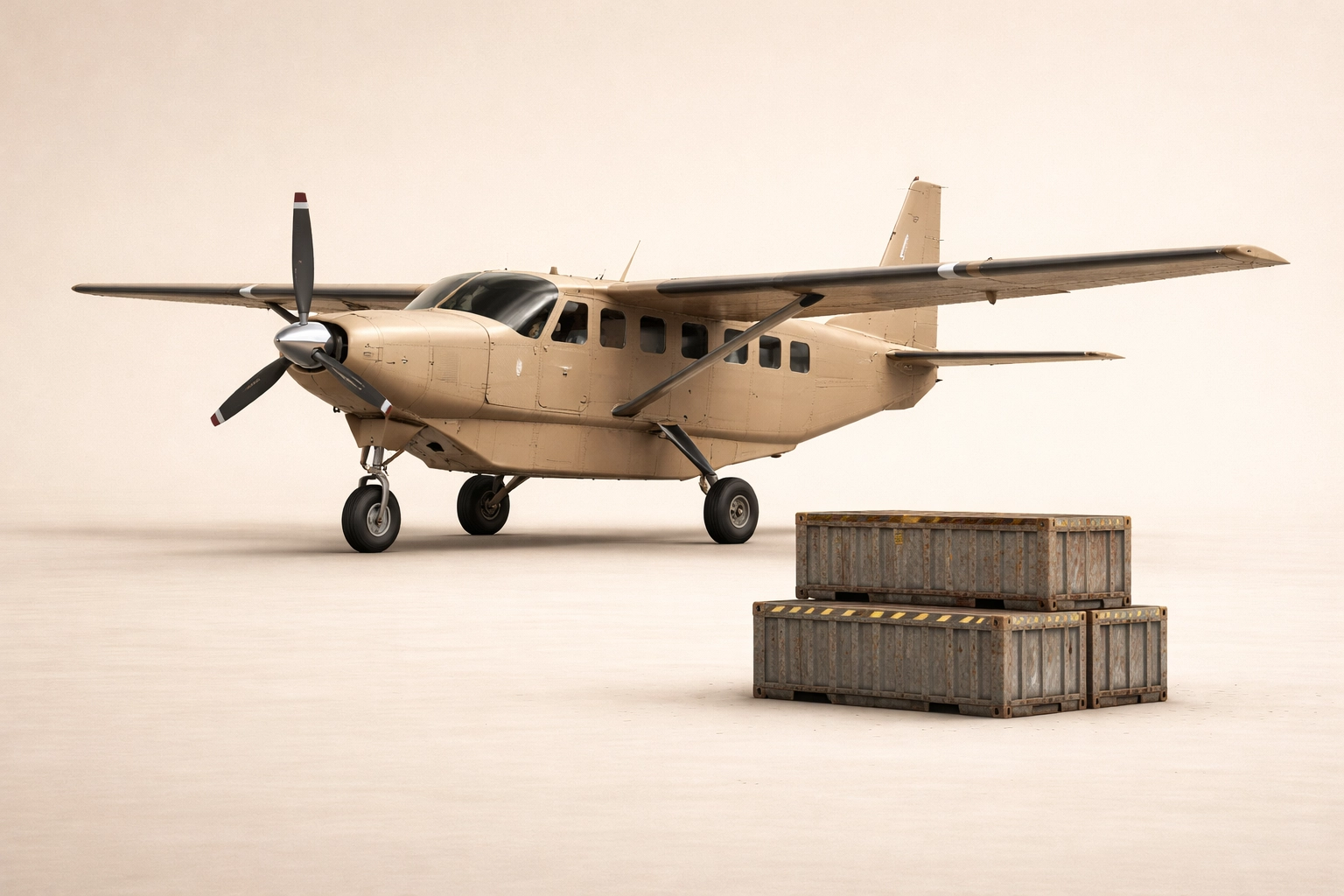
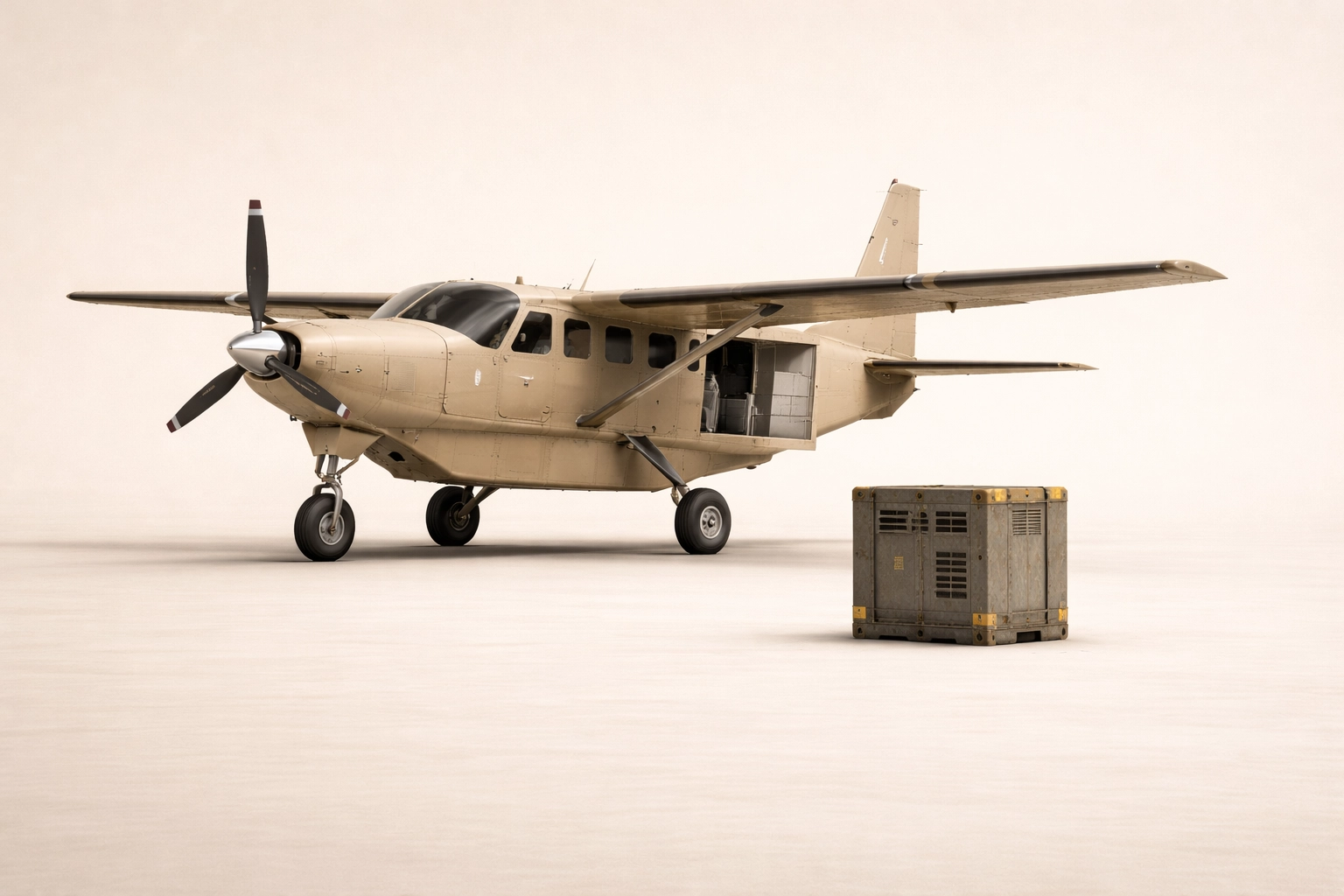
Companies operate everything from small turboprops to midsize jets. They land on rough airstrips that commercial carriers avoid. Some use special short takeoff and landing aircraft that work with almost no infrastructure.
You pay per flight instead of maintaining planes year round. For most mining operations, this makes more sense financially than buying aircraft. The break even point only happens if you're flying daily routes with consistent loads.
Charter gives you control over the schedule. Shift changes happen when the project needs them. Weather delay? Reschedule for the next safe window without rebooking fees or waiting for the next commercial flight.
Helicopter Services
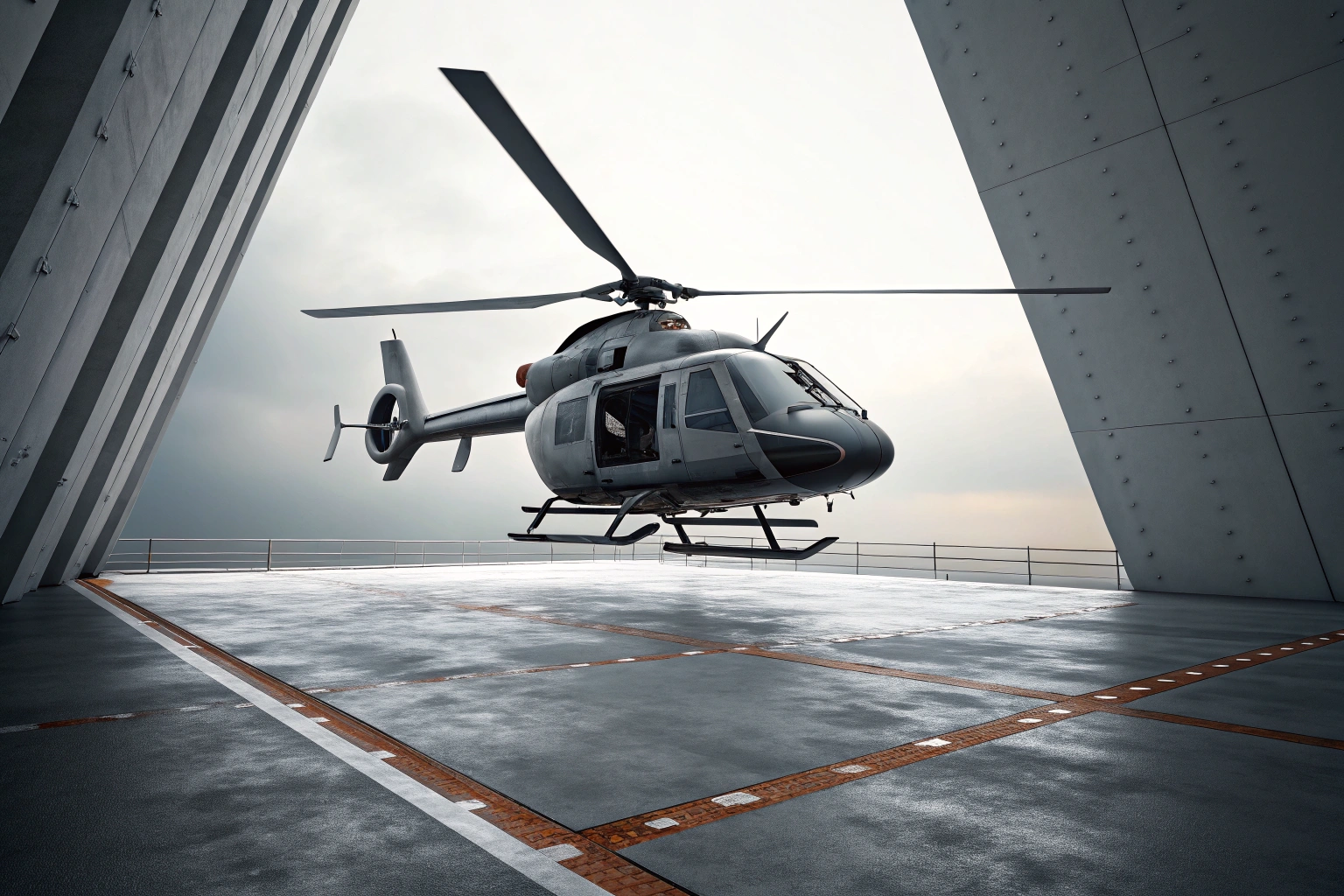
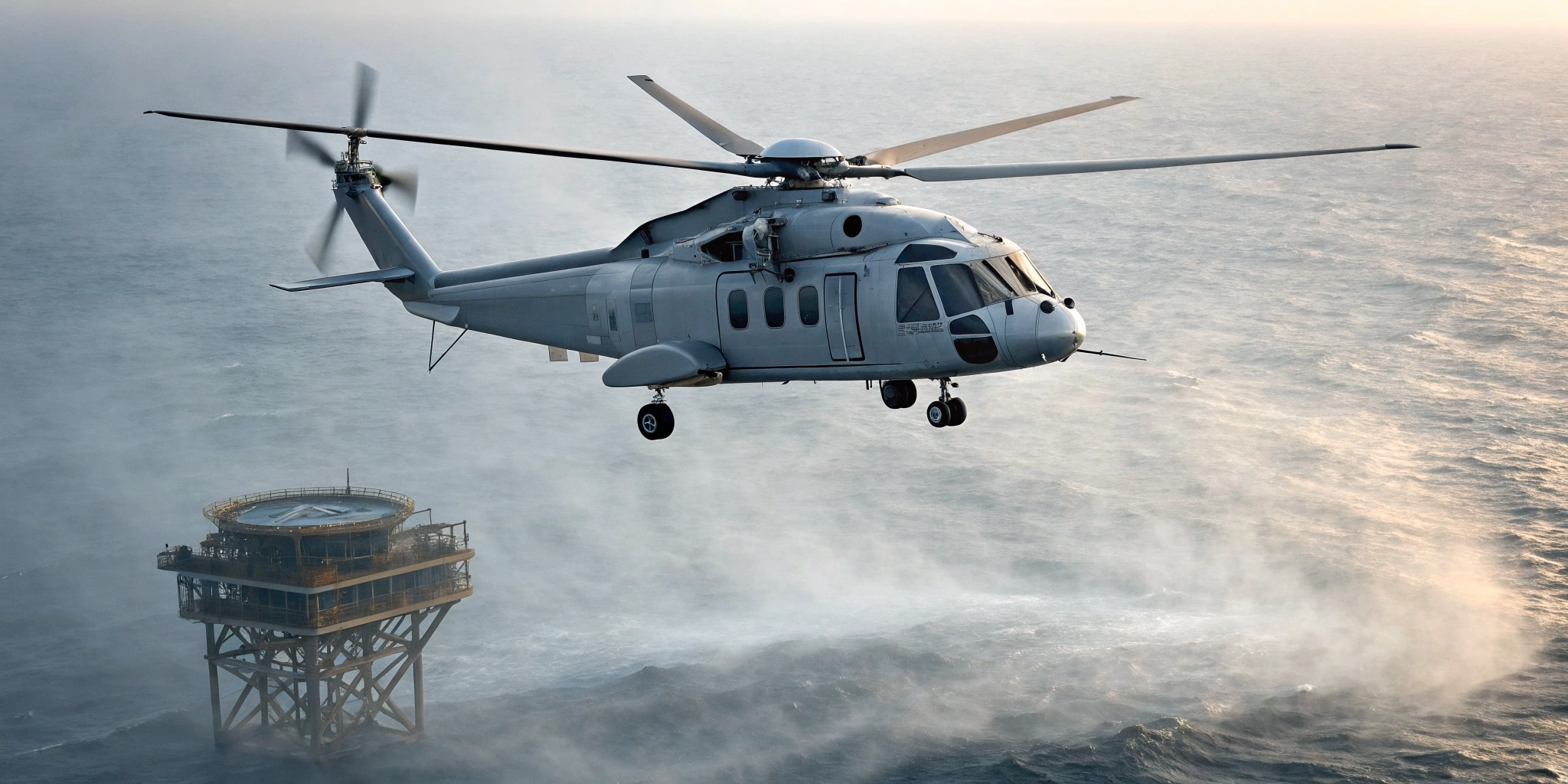
Helicopters run offshore oil and gas transport. They're the only practical way to reach platforms and floating production vessels.
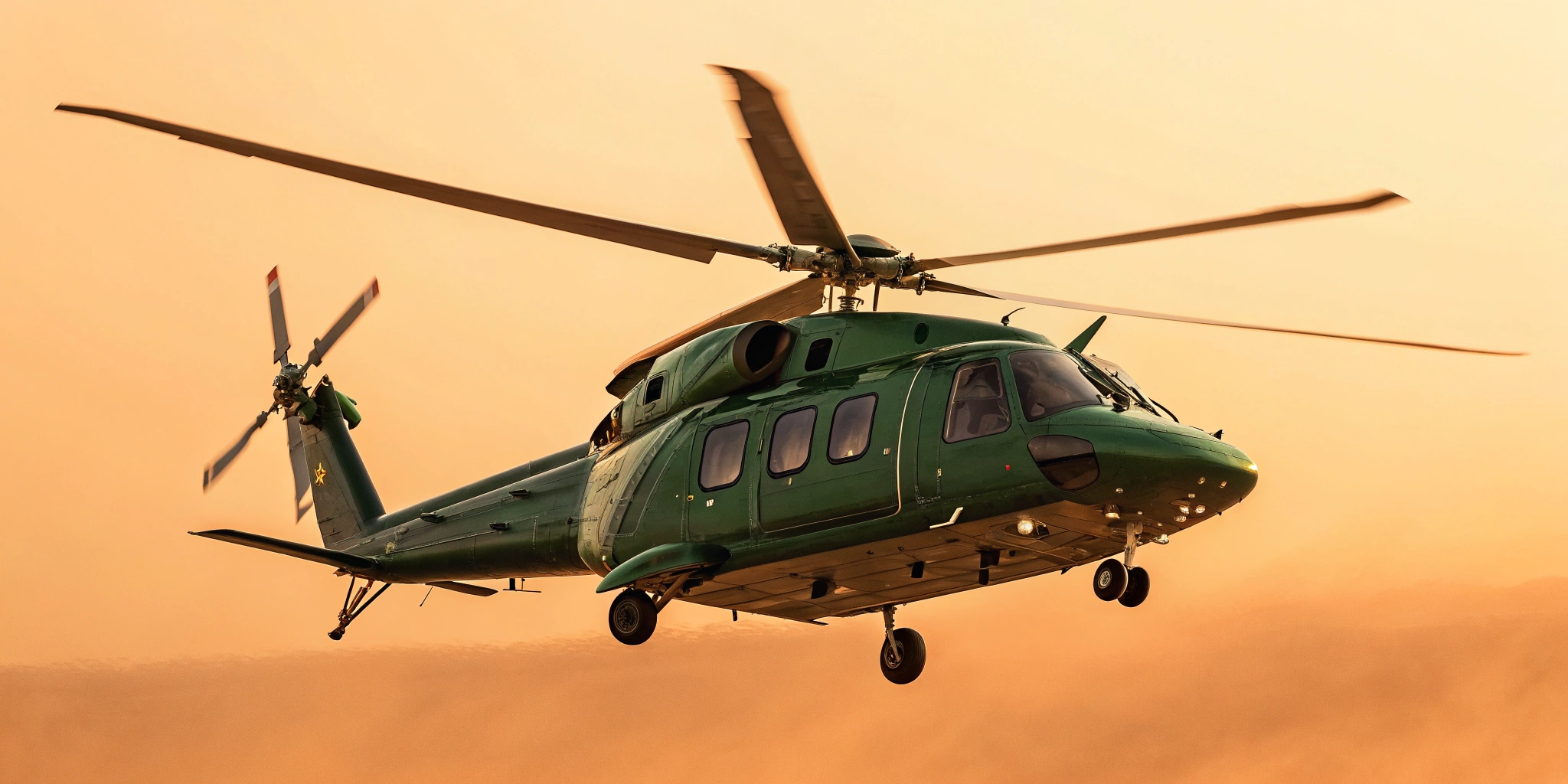
Offshore operations use twin engine helicopters like the Sikorsky S-92 and AgustaWestland AW189. These meet strict safety requirements for flying over water. They carry passengers and reach distant offshore platforms.
Mining crew rotation uses smaller helicopters for short hops. Bell 212s and Bell 412s move workers from base camps to active mining areas. They work well in mountains where building roads costs millions.
Search and rescue matters when you operate remotely. Good helicopter providers keep SAR equipped aircraft and trained crews ready. You hope you never need it. But it's there.
Sling loads move cargo that won't fit inside. Drilling mud. Pipe sections. Equipment too big or heavy for the cabin gets carried underneath on a long line.
Heavy Lift Cargo
Some cargo won't fit in regular planes.
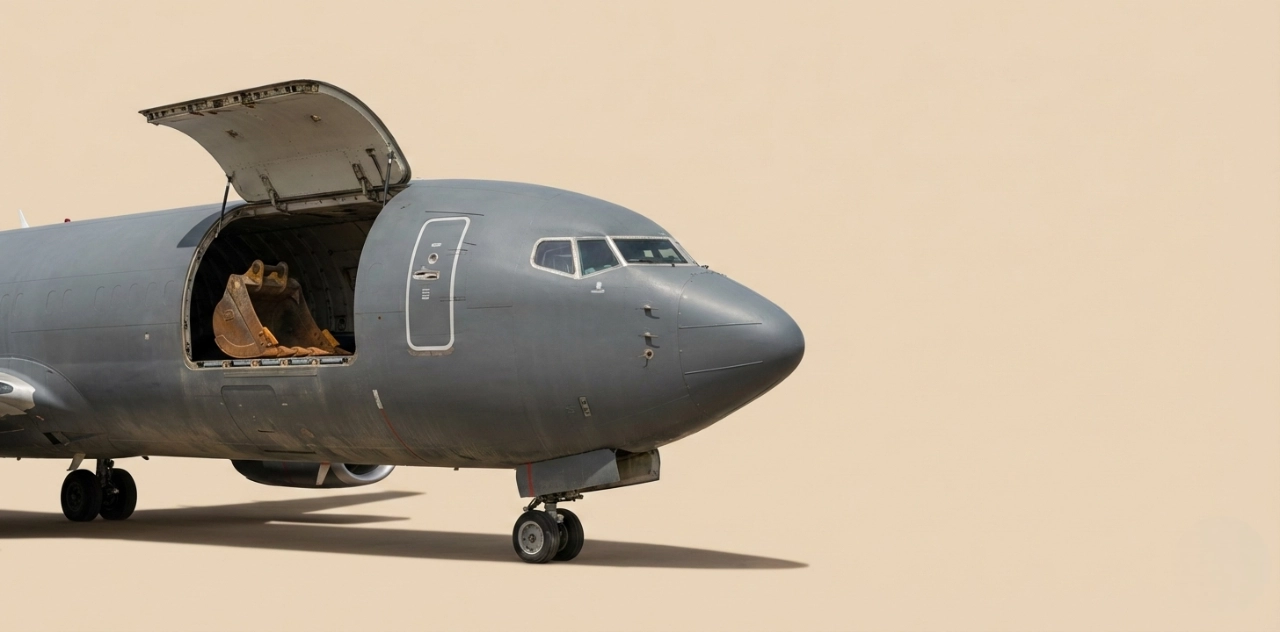
Outsize aircraft handle the big stuff. Antonov AN-124s and Ilyushin IL-76s move complete drilling rigs, earth moving equipment, and modular processing plants. The AN-124 handles extremely heavy loads while the IL-76 works on shorter runways.
Dangerous goods need special certification. Aviation fuel. Mining explosives. Chemicals. Providers need trained crews and proper paperwork for each country.
Drilling equipment travels in pieces weighing several tons each. Draw works. Mud pumps. Drill pipe bundles. Charter operators familiar with oil and gas know how to secure and balance these loads.
Plant components for processing facilities ship as oversized cargo. Pressure vessels. Heat exchangers. Large motors. Getting quotes means sharing exact dimensions and weight, not just saying "big equipment."
Emergency Response
Production downtime costs real money. Fast aviation limits the damage.
Urgent charters launch within hours of your call. The best providers keep aircraft on standby. You pay extra for this. But it's worth it when downtime costs serious money.
AOG logistics handle aircraft on ground situations. If your company plane breaks somewhere remote, AOG specialists fly in the part and sometimes the mechanic too.
Onboard courier puts a person on the plane with your critical cargo. This works for small, extremely valuable parts or documents that can't wait. Banks use this for financial instruments. Mining companies use it for core samples and specialized sensors.
Disaster response providers mobilize fast when accidents happen. They have the aircraft, the crews, and the relationships with regulators to move quickly when every minute counts.
Leading Aviation Service Providers for Commodity and Energy Companies
Not all aviation companies understand resource extraction. The good ones have worked these industries for years.
Global Charter Specialists
These providers operate worldwide networks with access to hundreds of aircraft types.
They offer everything from small turboprops to Boeing 737s. Need to move large crews from Houston to a Chilean mine? They coordinate the whole trip. Multiple stops. Customs. Crew rest requirements. All of it.
What they do well. 24/7 operations desks. Worldwide coverage. Aircraft variety. Need a helicopter in Kazakhstan and cargo plane in Peru next week? One call handles both.
Best for. Multinational commodity traders. Large engineering firms. Companies with operations on multiple continents.
Companies like Chapman Freeborn and Air Charter Service handle these types of operations globally.
Offshore Helicopter Operators
Specialists in oil and gas helicopter transport focus on safety above everything.
These companies fly to the same platforms thousands of times. They know the approach paths. The weather patterns. The specific challenges of each location. Their pilots train on the exact scenarios they'll face.
What they do well. Perfect or near perfect safety records. Instrument flight capability for bad weather. Integration with marine logistics. Many coordinate with supply boats to optimize platform operations.
Best for. Offshore platforms. FPSOs. Any oil and gas operation far from shore.
The major players here are Bristow Group, CHC Helicopter, and PHI Aviation. These three handle most of the world's offshore helicopter work. Both Bristow and CHC operate large fleets globally and came through bankruptcy restructuring in the late 2010s to emerge stronger.

Integrated Logistics Providers
Some companies handle both air and sea transport under one contract.
This matters for major projects. You need pipe delivered by ship, workers flown by helicopter, and emergency parts rushed by charter. Having one coordinator who talks to both the ship captain and the pilot saves you from playing middleman.
What they do well. Simplified contracting. Better cost control. Operational efficiency. When the same company runs your boats and helicopters, they optimize schedules together instead of working separately.
Best for. Large scale resource projects. New mine developments. Offshore drilling campaigns where you're building infrastructure from scratch.
Companies like DSV and Kuehne+Nagel now offer aviation divisions alongside their ocean and ground transport.
How to Choose the Right Aviation Provider
Safety and Certifications
Don't compromise here. Ever.
Check for current certifications from ICAO, EASA, or FAA. These mean different things depending where you operate. But reputable providers hold multiple certifications.
Look at actual safety records, not just claims. How many accidents in the last five years? What caused them? Good companies publish this data. Sketchy ones won't talk about it.
Local approvals matter more than people think. A company certified in Canada might not be legal in Indonesia. Make sure they can actually fly where you need them.
Pilot experience shows in the details. Do their pilots have mountain flying experience? Polar operations? Offshore instrument approaches? The resume should match your operating environment.
Geographic Coverage
Where does the provider actually operate?
Some companies claim worldwide coverage but subcontract everything outside their home country. That adds complexity. You want providers who own or directly operate aircraft in your region.
Environment capability requires specific modifications. Desert ops need dust filters. Arctic needs engine preheaters. Offshore needs emergency flotation. Make sure their fleet handles your environment.
Base locations cut costs and response times. A provider with a base in Perth serves Australian mining better than one flying from Singapore. Shorter positioning flights mean lower costs.
Fleet Capability
Match the aircraft to the job.
Helicopter types serve different roles. AW139s work great for medium range offshore. S-92s handle longer distances with bigger loads. Bell 212s cost less for short crew rotations. Ask what they actually operate, not what they can charter from someone else.
Cargo availability matters when you need it now. Do they own the planes or broker them? Owned aircraft respond faster but cost more on contract. Brokered aircraft offer flexibility but might not be available during peak seasons.
Scalability becomes important during big projects. Can they handle your normal five flights per week and scale to twenty during a shutdown? Some providers overextend and quality drops when they get busy.
Industry Experience
Generic aviation companies miss the details that matter in resource extraction.
Case studies show they understand your world. Ask for examples similar to your operation. A provider with ten years serving gold mines in Nevada probably knows mining. One that mainly flies corporate executives probably doesn't.
Production timelines separate good from great. Mining and drilling work on schedules measured in hours and shifts, not business days. Your aviation provider needs to match that urgency.
Shutdown support tests capability. These concentrated periods need more aircraft, more crews, and perfect execution. Providers experienced in resource industries know how this works.
Real World Use Cases
Mining Operations
Crew rotation happens like clockwork. Fly in fresh workers Monday morning. Fly out tired crew Monday afternoon. Weather delays cascade through the whole operation. So reliability matters more than price.
Geological surveys use helicopters with specialized equipment. Magnetometers for mineral detection. LiDAR for terrain mapping. The helicopter becomes a flying laboratory.
Heavy equipment moves the machines that dig ore. Mining shovels weigh hundreds of tons. Even disassembled, each piece needs heavy lift aircraft or multiple trips. This is where AN-124s earn their keep.
One example shows how this works. Volga-Dnepr used an IL-76 to move mining equipment from Ontario to Nunavut. The gravel runway limited what could land there. But the IL-76 handled the size and weight while landing on that rough strip.
Oil & Gas Operations
Platform crew changes run on tight schedules. Offshore workers typically work rotations of a few weeks on, then time off. The helicopter shows up like clockwork. Miss it and you've got people stuck on the platform or production shut down waiting for replacement crew.
Emergency evacuation gets tested when weather turns bad or equipment fails. Having a helicopter that can fly in marginal conditions might save lives. Having one that can't leaves people stranded.
Equipment transport keeps operations running. Blowout preventer control pods and mud pump parts move by helicopter. This equipment is heavy but critical for operations.
The major offshore operators went through tough times when oil prices collapsed. They had too many aircraft with nothing to do. Since then, demand has come back strong. The squeeze is now on aircraft availability, not finding customers.
Commodity Trading
Urgent cargo happens when deals close fast. Sample ore needs lab analysis before purchase. Charter aircraft make same day delivery possible across continents.
Multimodal logistics combines air, ocean, and ground. Your copper concentrate ships by boat. But critical reagents fly by charter. Good logistics providers coordinate all three without you managing each separately.
Benefits of Using Specialized Providers
Why use specialists instead of general aviation?
Reduced downtime happens because these providers understand what's at stake. They know delayed crew changes cost serious money in lost production. They prioritize accordingly.
Better safety comes from experience. They've already solved the regulatory puzzles in your jurisdiction. They know which permits you need and how long they take.
Faster response saves money. When your loader breaks and you need a specific hydraulic pump flown from Chile to Canada, specialists have the relationships and systems to make it happen fast.
Cost efficiency works for most operations. Unless you're flying the same routes daily with consistent loads, owning aircraft costs more than chartering. Specialists spread fixed costs across multiple clients.
Common Questions
Which providers support mining and oil companies?
CHC Helicopter, Bristow Group, and PHI Aviation handle most offshore oil and gas work. Volga-Dnepr and Antonov Airlines specialize in heavy cargo. Regional operators often know local markets better than global companies.
Helicopters or fixed wing aircraft?
Most operations use both. Helicopters work best for offshore platforms and remote sites without runways. Fixed wing handles longer distances and larger loads where airstrips exist.
How much does offshore helicopter support cost?
Costs vary widely based on aircraft type, region, and contract terms. Request quotes specific to your routes and schedule for accurate pricing.
Can providers handle dangerous goods and heavy cargo?
Yes, but you need providers with proper certifications. Heavy lift specialists operate aircraft like the AN-124 and IL-76 with rear loading ramps and onboard handling equipment. Always share exact cargo details upfront.
Are charter services available globally?
Coverage is strong in North America, Europe, Australia, and major oil regions. It's less consistent in parts of Central Africa and Central Asia. Verify actual local presence before committing.
Finding the Right Aviation Partner
Choosing aviation providers for commodity operations needs more than price comparisons. You're looking at safety records, regional expertise, and whether they actually understand production schedules.
A broker who knows both aviation and resource industries can save time and money. They already know which operators work in difficult regions. Which ones have the right certifications. Which ones will actually show up when weather turns bad.
The difference shows up when problems happen. Good connections mean faster solutions. Better terms. Less time wasted on calls to providers who can't actually help.
Questions About Your Aviation Needs?
Every operation has different requirements. Different locations. Different timelines. Different cargo.
If you need help finding the right aviation solution for your commodity, mining, or oil operation, get in touch. Quick response times matter when downtime costs money.